Explaining Gambling Problems to Your Children: 4 Conversations That Keep Them Safe
 Save
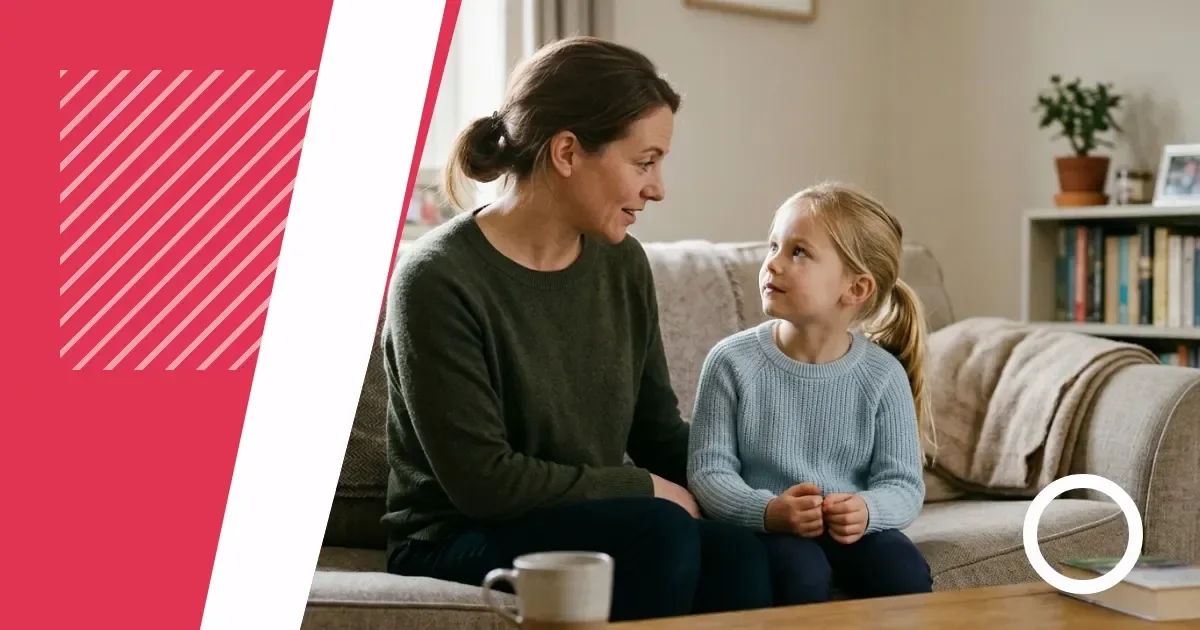
When gambling harm affects your household, your children notice changes even when you try to shield them. They pick up on tension, overhear arguments about money and sense when a parent is distracted or upset. Talking to them about what is happening protects them from confusion and blame while giving them the tools to understand and cope. Below you will find age-appropriate ways to discuss gambling harm in military families, along with practical steps you can take this week. This guidance comes from RBLWS, an information portal for armed forces veterans and their families facing gambling harm.
Recognising When Your Children Already Know Something Is Wrong
Children often realise a problem exists before adults speak to them. A six-year-old might ask why Mum keeps checking her phone during dinner. A teenager might notice that family outings have stopped or that bills are piling up on the kitchen table. Silence does not protect them from worry — it leaves them to fill the gaps with their own explanations, which are often worse than the truth.
Watch for changes in their behaviour: trouble sleeping, clinginess in younger children, withdrawal in older ones, or new questions about money and stress. These signs suggest they are already trying to make sense of what they observe. Once you notice these patterns, a conversation becomes necessary rather than optional.
What Children Assume When Nobody Explains
Without clear information, children create their own stories. Younger children might blame themselves, believing they have done something to cause the tension at home. Older children might assume the worst — that the family is about to lose their home or that a parent no longer cares about them. A direct, calm explanation cuts through these fears and gives them something solid to understand.
Matching Your Words to Their Age and Understanding
The conversation you have with a five-year-old differs sharply from the one you have with a fifteen-year-old. Younger children need simple, concrete explanations without too much detail. Older children can handle more context and benefit from knowing how the family plans to move forward.
For Children Under Eight
Keep it brief and reassuring. You might say that a grown-up in the family has been spending too much time and money on games on the internet, and that it has become a problem the adults are working to fix. Emphasise that it is not the child's fault and that the grown-ups are getting help. Answer their questions honestly but do not overload them with financial details or adult emotions.
For Children Between Eight and Twelve
This age group can grasp that gambling is a type of game that costs money and that some people find it hard to stop once they start. You can explain that a parent or family member has been gambling more than is safe and that it has affected the family's money and mood. Reassure them that help is available and that the family is taking steps to fix the problem together.
For Teenagers
Teenagers benefit from more context. You can discuss how gambling works, why it can become compulsive and how it has affected the household. Be honest about the consequences — missed payments, arguments, stress — without turning them into a confidant for your own distress. Teenagers also need to hear that gambling harm is treatable and that the family has a plan. They may have strong feelings about what has happened; listen without dismissing them.
Choosing the Right Moment and Setting for the Talk
Timing matters. Choose a calm moment when you are not in the middle of a crisis or argument. A quiet evening at home works better than a rushed conversation before school. Sit down together without distractions — turn off the television and put phones away. If both parents or carers are involved, present a united front so the children do not feel caught between conflicting messages.
Let the conversation flow naturally rather than making it feel like a formal announcement. You might start by acknowledging that things have been difficult lately and that you want to explain why. Give them space to ask questions and express their feelings without interrupting or correcting them immediately.
Following These Four Steps to Structure the Conversation
A clear structure helps you stay on track and ensures you cover the most important points without overwhelming your children. These steps work across age groups, though the language and detail you use will vary.
- Name the problem clearly. Use the word gambling and explain that it has become a problem for someone in the family. Avoid vague language like "some difficulties" or "a bit of stress" — children need to know what is actually happening.
- Reassure them it is not their fault. State this directly, especially with younger children who are quick to assume responsibility for family problems. Make it clear that gambling harm is an adult issue and that nothing they did caused it.
- Explain what is changing. Let them know what practical steps the family is taking — whether that is limiting access to devices, attending counselling or setting new rules around money. Children feel safer when they understand the plan.
- Invite their questions and feelings. Ask what they are worried about and listen without judgement. Some children will have questions immediately; others will need time to process before they speak. Let them know they can come back to you whenever they need to.
Handling the Questions Children Ask Most Often
Certain questions come up repeatedly when children learn about gambling harm in their family. Preparing answers in advance helps you respond calmly and clearly in the moment.
| Question | How to Answer |
|---|---|
| Will we lose our house? | Acknowledge their worry, then explain what is being done to protect the family. If the situation is stable, say so. If it is uncertain, be honest without frightening them — focus on the steps being taken. |
| Why can't they just stop? | Explain that gambling can become compulsive, meaning the person finds it very hard to stop even when they want to. Emphasise that they are getting help to change this. |
| Is it my fault? | Answer with a firm no, every time. Repeat that gambling harm is an adult problem and that children are never responsible for it. |
| Will it happen again? | Be honest that recovery takes time and effort, and that setbacks can happen. Focus on the help and tools now in place to prevent it. |
When Children Ask About Money
Money worries weigh heavily on children, especially in military families where financial stability can already feel fragile. Answer their questions without going into distressing detail. If you need to cut back on spending, explain what that means for them — fewer takeaways, a postponed holiday — without making them feel responsible for the family's finances. Frame it as a temporary adjustment rather than a permanent crisis.
Protecting Them From Blame and Adult Burdens
Children should never become their parents' emotional support during gambling harm. They can know what is happening and feel their own feelings, but they should not be asked to comfort a distressed adult or take sides in arguments. Keep adult conversations about debt, legal consequences or relationship strain away from them.
Similarly, do not let them take on practical responsibilities beyond their age — managing younger siblings while you attend appointments, or monitoring a parent's spending on your behalf. These roles place an unfair burden on them and interfere with their own development. If you need practical support, seek it from other adults or from organisations like GamCare.
Keeping Communication Open as the Situation Changes
One conversation is rarely enough. As circumstances shift — someone enters counselling, financial pressures ease or new challenges arise — check in with your children again. You do not need to update them on every detail, but major changes deserve explanation. This ongoing dialogue reassures them that they are not being kept in the dark and that you trust them with the truth.
Encourage them to come to you with questions or worries whenever they arise. Some children will speak up immediately; others will wait until they feel safe or until something reminds them of the earlier conversation. Let them set the pace, and respond calmly each time they reach out.
What to Do When Children Overhear Arguments
If your children witness a heated discussion about gambling or money, address it afterwards. Acknowledge that they heard something upsetting and explain briefly what the argument was about. Reassure them that disagreements between adults do not mean the family is falling apart, and that the grown-ups are working to solve the problem. Keep it short and return to normal routines as quickly as possible.
Teaching Them About Gambling in Age-Appropriate Ways
Once you have explained the immediate situation, you can help your children understand gambling more broadly. This protects them from developing harmful habits themselves as they grow older. For younger children, focus on the idea that some games cost money and that it is important to know when to stop. For older children and teenagers, you can discuss how gambling works, why it is restricted to adults and what makes it risky.
If your children show interest in gambling or encounter it through advertising or peer conversations, use those moments to reinforce what you have taught them. Frame gambling as something that requires careful control and is not suitable for young people. This approach builds their understanding without making gambling seem forbidden or glamorous.
Recognising When Your Children Need Outside Support
Some children cope well with the knowledge that gambling harm has affected their family. Others struggle with anxiety, anger or confusion that persists even after you have spoken to them. Watch for ongoing changes in behaviour — deteriorating schoolwork, persistent nightmares, aggression or withdrawal from friends. These signs suggest your child might benefit from talking to a professional.
School counsellors, family doctors and organisations like GamCare can connect your child with appropriate support. Seeking help for them is not a failure on your part; it is an extension of the same care you are showing by addressing the gambling harm in the first place. If you are uncertain whether outside support is needed, trust your instinct and ask. You can find more guidance on family impact in our article on how gambling affects military families, which covers warning signs across all household members.
Finding Help for Your Family
Gambling harm does not resolve itself, and you do not have to manage it alone. GamCare offers free, confidential support through its National Gambling Helpline on 0808 8020 133, available around the clock. You can also visit GamCare for resources tailored to families. BeGambleAware provides information on recognising harm and accessing treatment at BeGambleAware.
If you need to block access to gambling across all licensed sites in Great Britain, GamStop offers free national self-exclusion at GamStop. Gordon Moody provides residential and online treatment for those who need intensive support, with details at Gordon Moody. Blocking software such as Gamban (a paid subscription at Gamban) and BetBlocker (free and multi-platform at BetBlocker) can prevent access to gambling sites on shared devices. Online gambling is for people aged 18+ only.
This page is for information only. RBLWS is not a counselling service, a treatment provider or an organiser of gambling. We do not sell any goods or services. If you or someone in your family is in immediate crisis, contact the National Gambling Helpline or speak to your GP. Support is available, and recovery is possible when you take the first step towards it.
#Families #Talking #Boundaries
Further reading
Frequently asked questions
How do I bring up gambling problems with my children without frightening them?
Choose a calm moment, use clear language matched to their age, and focus on reassurance. Name the problem directly, explain that the adults are taking steps to fix it, and emphasise that it is not their fault. Let them ask questions and express their feelings.
What should I tell my teenager about gambling harm in our family?
Teenagers can handle more context than younger children. Explain how gambling works, why it has become a problem for your family, and what steps you are taking to address it. Be honest about the impact without burdening them with adult worries, and listen to their reactions without dismissing them.
How can I protect my children from blaming themselves for gambling problems at home?
State directly and repeatedly that the gambling harm is not their fault. Children often assume responsibility for family stress, so make it clear that this is an adult issue. Reassure them that nothing they did caused the problem and that the grown-ups are working to resolve it.